
III of XII · The Twelve Islands
Folegandros
The cave of names
Twenty-four centuries ago, hundreds of young people wrote their names in a cave. Some of them exist only there.
Chapter I
The myth
They lived, they existed, and they left word of it in the stone.
Folegandros has no gods of its own and no famous heroes. The ancients called it the “iron island” for how steep it is. But high on a cliff opens the cave of Chrysospilia, and on its stalactites are some four hundred names written in clay, most of them from the fourth century BC.
Many believe it was a rite: when they stopped being children, the island’s boys climbed up there and wrote their names. Some thirty of those names appear in no other document from antiquity. They lived, they existed, and they left word of it in the stone.
Chapter II
On Contadora
20 minto cross Contadora on foot

Contadora is small. You can walk across it in about twenty minutes, and there are hardly any cars. On the north side is Playa Ejecutiva, the smallest beach on the island, a cove that seems set aside for whoever finds it.
There isn’t much to do here, and that is the luxury: the island asks nothing of you.
Chapter III
Your ritual
Before you leave, write your name in the Folegandros book. Many years from now, someone will read it.
The room
Few things, all of them good
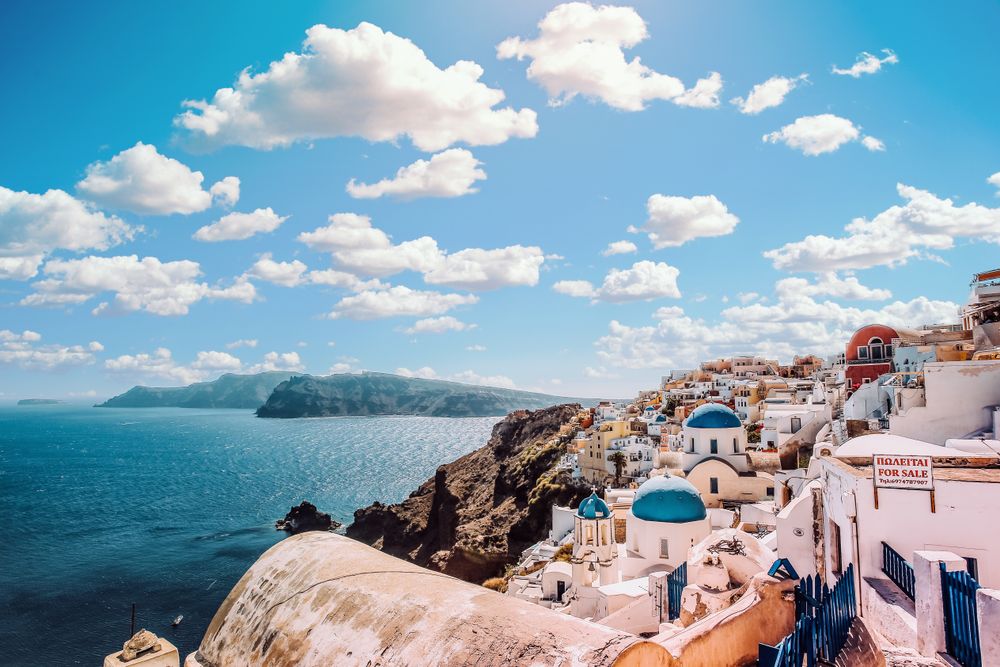
Folegandros is austere and refined at once: a village on the edge of the void, whitewash, stone, and the gray-green of the scrub. The room follows that discipline. Few things, all of them good, and space to think.
Reference images: the photo shoot on Contadora will replace them. The room details (size, beds, view and capacity) will be published with the real data.
Book this island
III · Folegandros
The cave of names. Choose your dates and we will show you direct availability, with no middlemen.
 Next islandIV AmorgosThe Big Blue